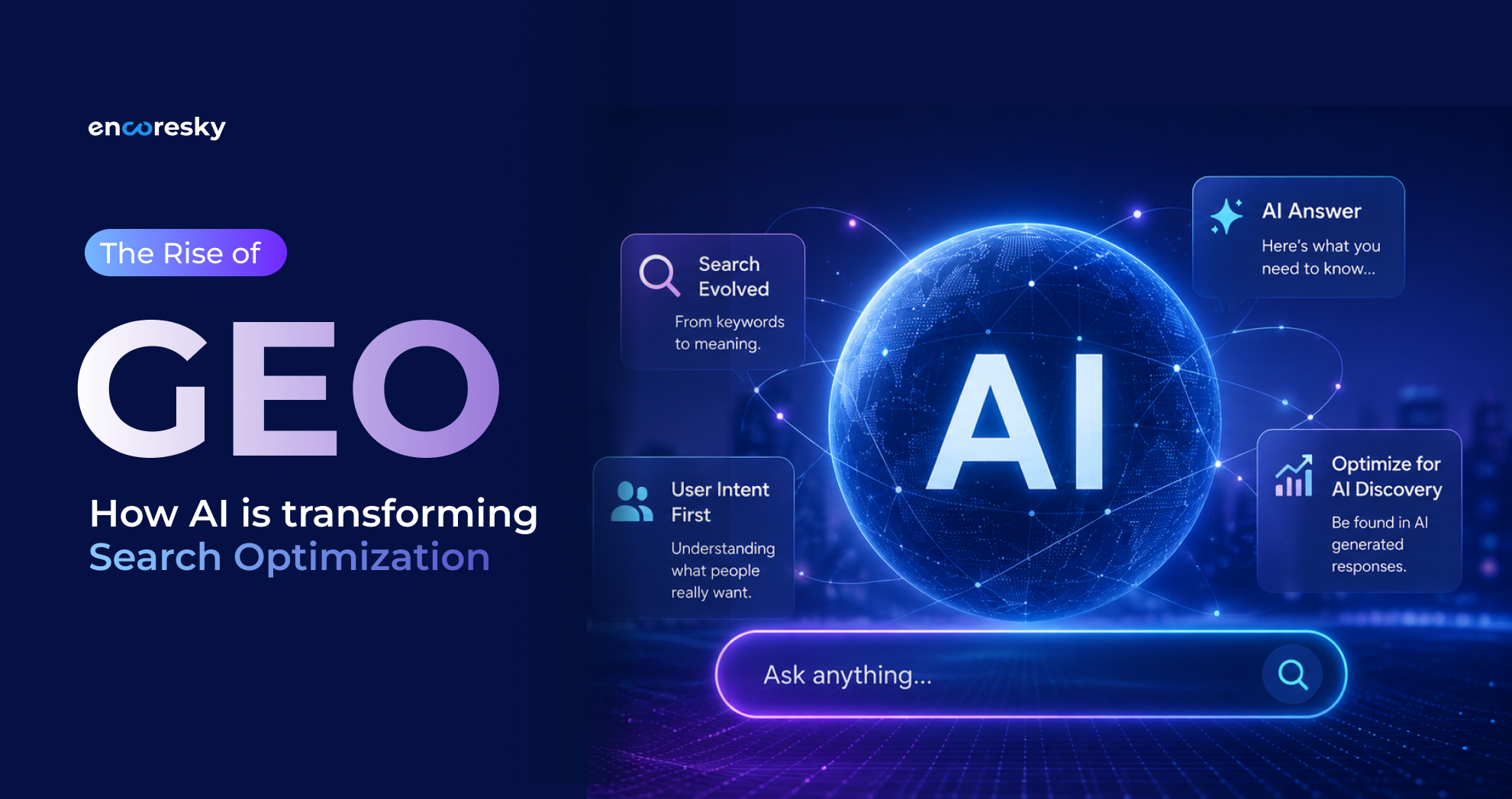
Search has changed a lot, like way more than people expect, over the past two decades. Back then, users would just type a couple keywords into a search engine and hop through a bunch of web pages to find what they need. Now tho , with AI-powered search experiences, people are getting direct, chatty answers from AI instead of clicking around forever.
So a new optimization mindset has popped up: Generative Engine Optimization (GEO). In this piece, we’ll talk about what GEO is, why it even matters, plus some solid best practices, the good stuff and the not so great stuff, and also what tools businesses can use if they want to stay ahead in this AI driven search world.
What is Generative Engine Optimization (GEO)?
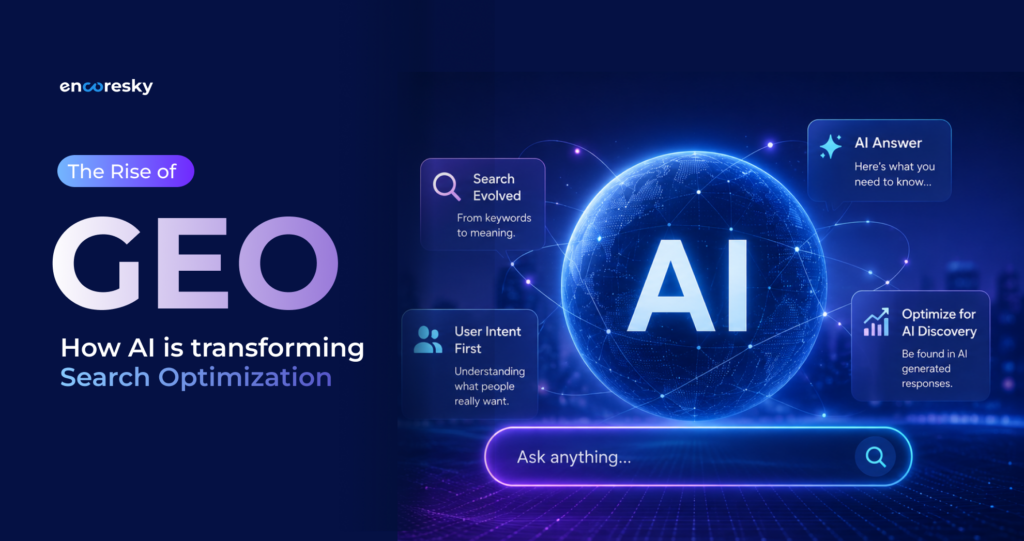
GEO is basically the act of fine tuning your digital content so AI-powered search engines and generative AI systems can understand it more easily, cite it, and then use it inside their responses.
Unlike traditional SEO, which mostly focuses on getting a webpage ranked in SERPs, GEO is more about boosting the likelihood that AI systems will actually pull from your content, summarize it, or recommend it as they generate answers.
There are tons of popular AI platforms too—ChatGPT, Google AI overviews, Copilot and a bunch more that are already shifting how users connect with information. GEO makes sure your content is actually showing up in those new places.
GEO vs Traditional SEO

Why is GEO Used For?
As AI search keeps getting bigger, businesses and creators are leaning into GEO for a few pretty practical reasons.
- More visibility in AI search results
AI engines often answer directly, so users may not jump across many sites. GEO helps your content become part of the generated reply.
- Building brand authority
When AI systems keep referencing your material, it makes your brand feel more credible, like a steady source.
- Increasing user trust
Generative engines tend to favor content that reads as authoritative, accurate, and well organized. Optimizing for GEO tends to improve trust.
- Future proofing marketing plans
Search behavior keeps shifting. GEO helps companies adjust for AI discovery channels earlier, before competitors get there first.
- Getting more qualified traffic
Even if AI answers can reduce clicks, people who do land on your site are usually more informed, and their intent is often stronger.
Best Practices for GEO
1. Create High-Quality, Authoritative Content
AI systems like material that demonstrates expertise, experience, authority, and trust. Aim for:
– original insights
– industry know-how
– data-backed details
– practical examples
2. Answer Questions Directly
AI models usually prefer clear responses. Instead of adding long intros, give direct answers to the questions people actually ask.
Example: Question: What is GEO?
Answer: GEO is the practice of optimizing content for AI-powered search engines and generative AI platforms.
3. Use Structured Content
Make it easy to process with things like:
– headings
– subheadings
– bullet points
– numbered lists
– FAQs
Structured content tends to be faster to interpret and easier to summarize for AI systems.
4. Build Topical Authority
Don’t only focus on one keyword at a time. Create several content pieces that circle around one theme.
Example, if your niche is AI marketing:
– AI content creation
– AI SEO tools
– GEO strategies
– AI search trends
– AI marketing automation
5. Maintain Content Freshness
AI systems often weigh newer, more relevant info a bit more. Update:
– statistics
– trends
– case studies
– product information
6. Focus on Entity Optimization
AI understands entities better than isolated keywords. Mention things like:
– brands
– products
– industries
– technologies
– experts
Popular Generative Engine Optimization Tools
Several tools are emerging to help businesses monitor and improve GEO performance.
ChatGPT
Useful for understanding how AI interprets and summarizes content.
Perplexity AI
Helps identify how content appears in AI-powered search experiences.
Gemini
Provides insights into conversational search behavior.
Claude
Useful for testing content readability and AI comprehension.
Semrush
Offers AI visibility tracking and advanced SEO capabilities.
Ahrefs
Supports content research and authority-building strategies.
The Future of GEO
How people find things online is changing, for real.
People are not only searching for a keyword, they’re asking full questions. Also, instead of jumping across a bunch of pages, they lean on AI generated answers.
This doesn’t mean SEO disappears though. It’s more like SEO and GEO will start working side by side, sort of together, not as rivals.
The companies that adjust early should see an edge in being seen, in building authority, and in turning attention into customers. In the end, it may come down to brands that can speak clearly to both people and machines.